Want a quick floor refresh, but worried about potential downsides? In recent years, PVC flooring has become a popular choice for many home decorators thanks to its ease of installation, variety of styles, and excellent value. However, the quality of products on the market varies greatly, and there are many tricks to consider from purchasing to installation. This article will cover everything from selecting a flooring to installing it, providing step-by-step instructions on how to avoid pitfalls, so even beginners can succeed right the first time!
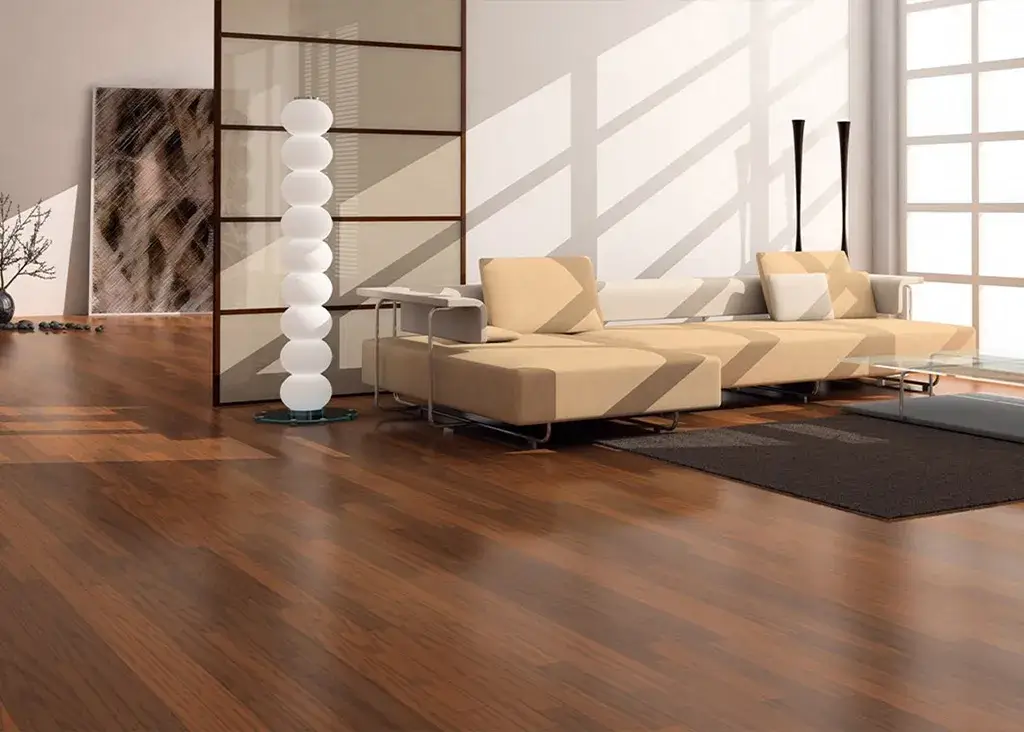
Selection article: The more expensive the better, the key is to look at the "adaptability"
Home vs. commercial: The difference in choice.
For living rooms and bedrooms, choose residential flooring with a thickness of 1.0-1.8mm. However, for offices or shops with high foot traffic, choose commercial-grade flooring (thickness ≥ 2mm), which can withstand multiple daily footfalls for five years. Don’t try to save money by using residential flooring for your shop; it can wear out your shop floor in just three months!
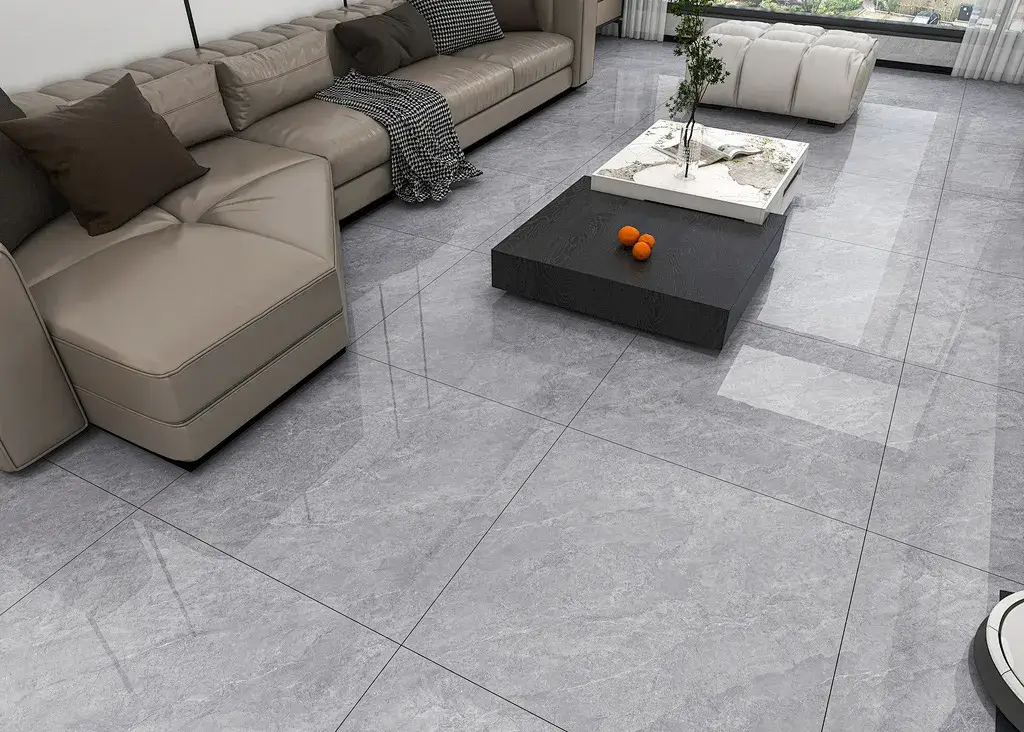
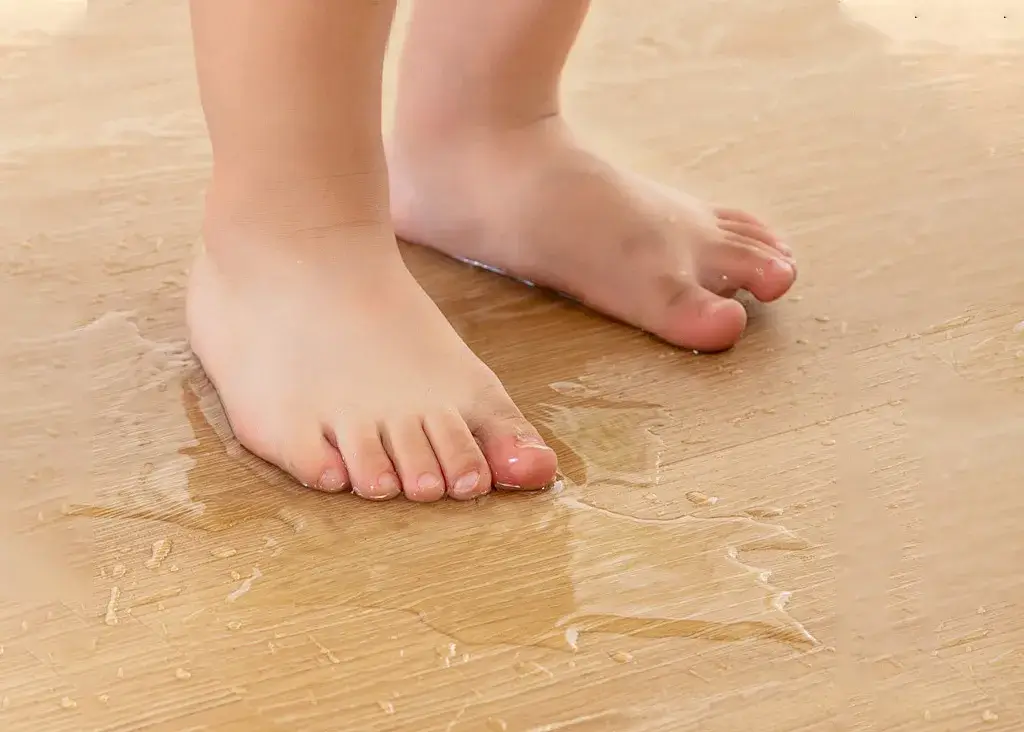
Moisture-resistant and non-slip, the top choice for families in southern China. For kitchens and balconies, moisture-resistant and non-slip surfaces are the preferred choice. In humid areas, adding a layer of self-leveling cement is like giving the floor a raincoat. For those with elderly or children at home? Choose a non-slip surface with a textured surface to reduce the risk of falls by 70%.
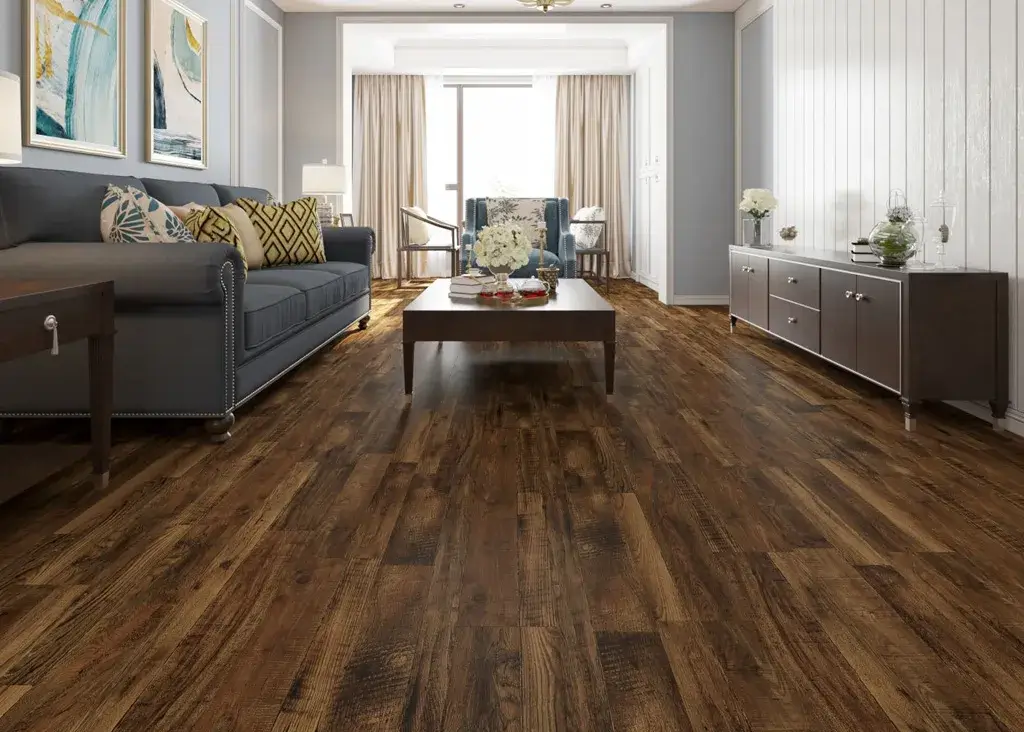
Choose patterns and textures: Appearance is everything
The core of home decoration is to create a warm, comfortable, and personalized living environment. Imitation wood-grain flooring is a popular choice, suitable for living rooms, bedrooms, studies, and even throughout the home. The core of office decoration is to meet the needs of functionality, durability, safety, and ease of maintenance, while also conveying the brand or spatial identity. Imitation marble can create a high-end, elegant, and professional feel, at a cost significantly lower than real stone.
Paving: Base surface treatment is the key
Many people experience hollowing or warping of the floor coverings after applying them. This is often due to poor application. Following these 5 steps will increase your success rate by 90%.
1. Floor Requirements
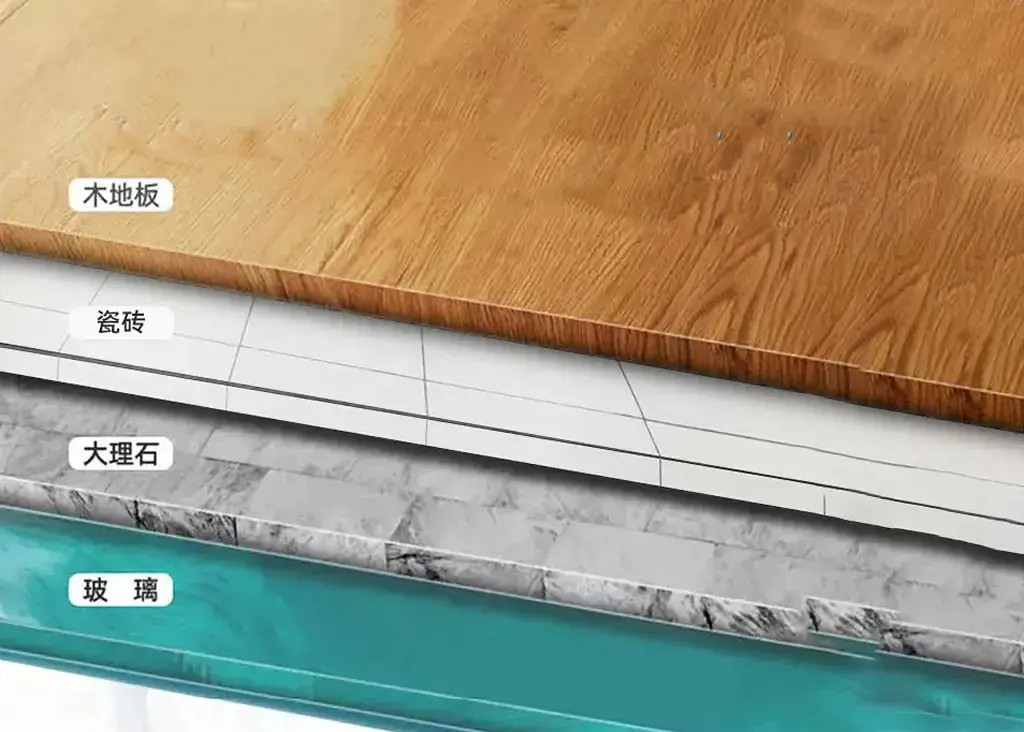
Before applying the floor coverings, ensure the floor is flat, dry, and clean. Uneven surfaces can cause the floor coverings to wear out quickly or even tear. Concrete floors should be free of sanding, and wooden floors should be free of warping. For old tile floors, fill in the gaps before applying the tile.
2. Measuring and Cutting
First, measure the floor dimensions. Plan the layout of the flooring according to the “whole sheet first” principle. For example, apply the entire sheet at the entrance first, then cut around the edges to avoid “narrow strips” that affect the appearance. When cutting, leave 1cm more than the actual size to prevent errors. Use a utility knife and a ruler to cut for a neater cut.
3. Test-lay and position the flooring.
Don’t remove the adhesive tape directly! First, test-lay the flooring on the floor to adjust the position and gaps. Use a marker to mark the edges. Once you are sure, begin removing the adhesive to avoid any problems with adjustment.
4. Final Application
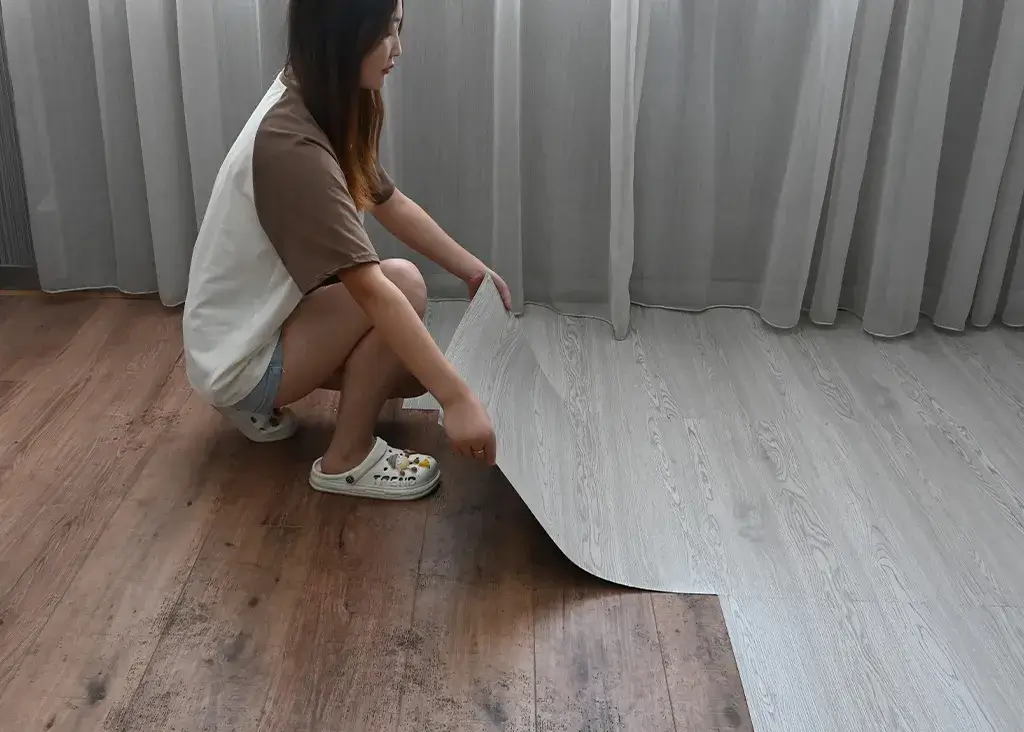
When removing the adhesive, don’t remove it completely. Start by peeling off halfway, aligning the markings. Use a scraper to press from the center outward to the sides to remove any air. Then slowly peel off the other half and continue applying. At corners, use a scraper to press down firmly on the edge to prevent warping.
5. Post-Care Care
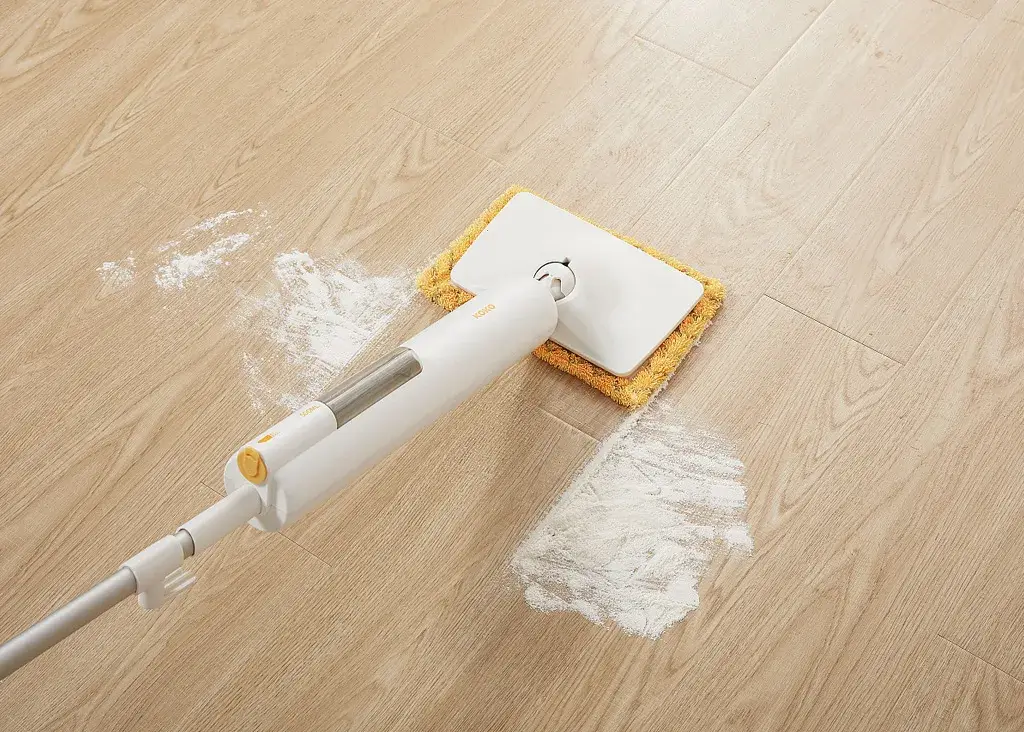
Do not step on the flooring for 24 hours after application to allow the adhesive to fully cure. For daily cleaning, use a damp mop. If the edges or corners are slightly warped, apply hot air from a hair dryer to the area for 10 seconds, then press firmly with a scraper to repair the problem. Note: Before placing heavy objects (such as refrigerators and wardrobes), it is recommended to place a non-slip mat on the flooring to prevent the adhesive from peeling and warping due to prolonged pressure.
By choosing according to this list, you can filter out most of the inferior products on the market and buy a PVC floor sticker that is good-looking and of good quality, laying the most solid foundation for subsequent successful paving!