SPC vs. LVT: Which Flooring Investment Offers the Best ROI for Your 2026 Inventory?
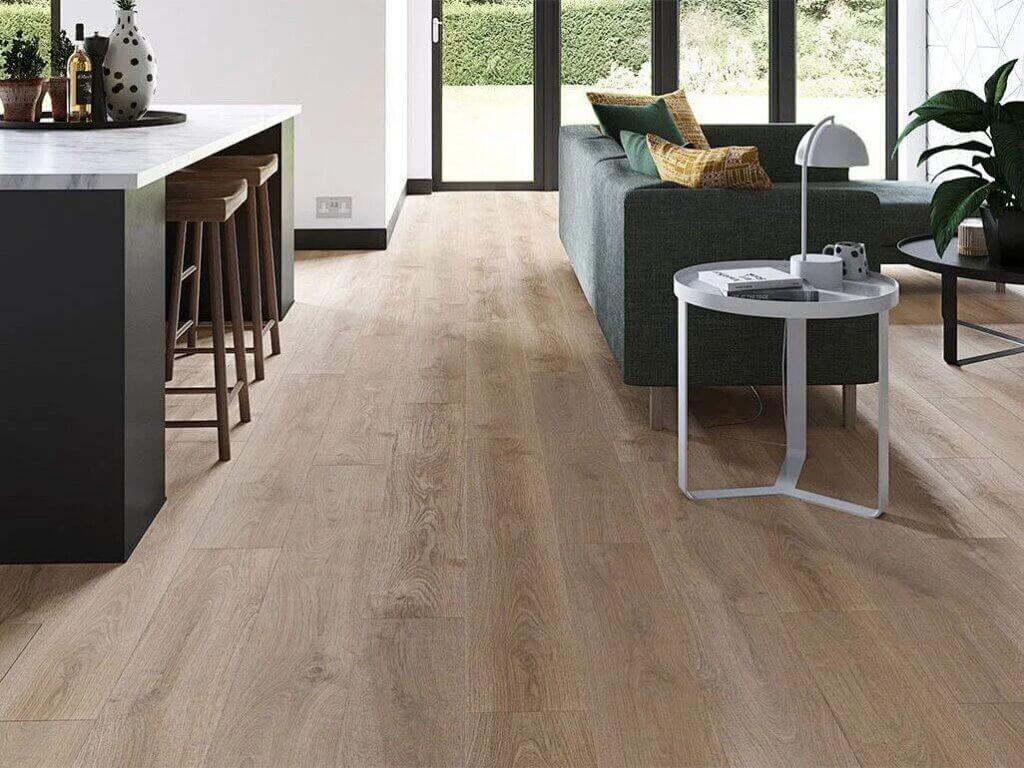
For flooring wholesalers and distributors planning their 2026 inventory, the choice between SPC and LVT is a critical business decision that directly impacts profit margins and turnover rates. As the global market shifts toward more durable, sustainable materials, understanding the technical and financial nuances of these two pvc floor products is key to maintaining a competitive edge.
Based on BAOLIN Floor’s 20 years of manufacturing expertise in Zhangjiagang, Jiangsu, this guide analyzes SPC and LVT from a B2B perspective, focusing on durability, installation efficiency, and marketability.
1. Structural Performance: Ensuring Quality Consistency
Wholesalers need products that minimize returns and complaints. Quality consistency directly affects your brand reputation.
The Rigid Core Advantage (SPC)
SPC (Stone Plastic Composite) is engineered for dimensional stability. It consists of a rigid core made from limestone powder and stabilizers. This ensures that the planks do not expand or contract significantly due to temperature variations, making them ideal for high-traffic commercial projects and regions with fluctuating climates.
The Flexibility Benefit (LVT)
LVT (Luxury Vinyl Tile) is flexible, offering comfort but requiring a perfectly smooth subfloor. While excellent for residential DIY projects, it is more susceptible to telegraphing subfloor imperfections if installed improperly.
2. Technical Compliance: Meeting International Standards
To enter premium markets, your inventory must meet strict regulations. BAOLIN Floor ensures all products adhere to:
ASTM F963 & EN71-3: Certified safety standards, crucial for educational and medical facility projects.
Low VOC Emission: Ensuring health compliance for commercial and residential use.
Wear Layer Certification: Testing for abrasion resistance based on EN ISO 10874 standards.
3. Supply Chain & Inventory Management: A Technical Breakdown
| Factor | SPC Flooring | LVT Flooring |
| Market Target | Commercial, High-End Residential | Retail, Residential DIY, Rental |
| Transportation Cost | Lower (Higher density/less volume) | Higher (More pliable/needs protection) |
| Storage Risk | Low (Dimensionally stable) | Moderate (Risk of warping if stored incorrectly) |
| Installation Speed | Fast (Click-Lock) | Moderate (Glue-down or Click) |
4. Addressing Disadvantages: Protecting Your Brand Reputation
Transparency builds trust with your buyers.
SPC Challenges: Firmer underfoot (mitigated by integrated underlayment) and higher initial shipping cost per unit due to density.
LVT Challenges: Susceptible to denting under heavy loads and requires specialized subfloor preparation, which may increase total project costs for the end-user.
5. BAOLIN Floor: Your Trusted OEM/ODM Partner
With a manufacturing area of 18,600 sqm and a daily production capacity of 16,000 sqm, BAOLIN Floor is equipped to handle large-scale orders with strict QC protocols. We offer:
Custom Design Development: Tailoring patterns and textures to your local market trends.
Custom Packaging: White labeling or branded packaging to strengthen your brand presence.
Third-Party Inspection: We welcome independent audits (such as SGS or TÜV) to verify our production standards.
Conclusion: Strategic Inventory Selection
For wholesalers, the best investment depends on your target market:
Choose SPC for commercial clients, high-traffic retail, and projects requiring fast installation and high durability.
Choose LVT for residential retail and DIY markets focused on budget and comfort.